

When the Booth Gets Busy: How Smart Exhibitors Manage Peak-Hour Traffic Without Losing Leads

When the Booth Gets Busy: How Smart Exhibitors Manage Peak-Hour Traffic Without Losing Leads
Explore Giveaway GiftsKey Takeaways
-
Peak-hour booth traffic is a conversion opportunity, not just a crowd challenge, when managed with clear flow and staffing roles.
-
Crowded booths lose high-intent buyers first if engagement lacks structure and direction.
-
Role-based staffing, time-boxed conversations, and tiered engagement dramatically improve lead quality during busy hours.
-
Thoughtful giveaways act as traffic regulators, not just attention grabbers.
-
Calm, well-organized booths outperform chaotic ones—even with similar footfall.
If you’ve ever worked a trade show booth during peak hours, you know the feeling. The aisle fills up. Conversations overlap. Someone waits patiently while another walks away unnoticed. And suddenly, what should be your best lead-generation window turns into controlled chaos.
Managing booth traffic during peak hours isn’t about handling more people — it’s about handling them better.
In the US trade show environment, where decision-makers often attend with limited time and high intent, poor booth traffic management doesn’t just look unprofessional. It directly impacts lead quality, brand perception, and post-event ROI. In fact, many exhibitors lose their most qualified prospects during the busiest moments simply because engagement breaks down under pressure.
Smart exhibitors treat peak hours as a designed experience, not a test of endurance. They plan flow, staff roles, conversation pacing, and even giveaways to guide traffic — not fight it.
Whether you’re showcasing software, services, or premium corporate giveaway gifts for exhibitions and trade shows, the principles remain the same.
This guide breaks down how to manage booth traffic during peak hours strategically, without turning people away — and without burning out your team.
For B2B audiences, premium giveaway gifts signal credibility and help position your brand as high-value and trustworthy. Read more →
Why Booth Traffic Management Matters
Trade show success is often measured by footfall. But seasoned exhibitors know the truth: unmanaged foot traffic hurts performance.
According to insights published in Harvard Business Review’s analysis on customer overload, crowded environments reduce service quality, decision confidence, and perceived professionalism.
Peak hours typically occur mid-morning after keynote sessions, early afternoon post-lunch, and during the final show hours when attendees make last-minute comparisons.
These windows attract the highest-intent visitors — buyers comparing vendors, shortlisting partners, or validating final decisions. If your booth feels chaotic, inaccessible, or impersonal, those visitors move on quickly.
This is why booth traffic management in the USA trade show market has evolved beyond basic crowd control. It now includes exhibitor flow planning, experience-driven engagement, lead qualification pacing, and strategic use of premium giveaways.
Well-managed booths feel busy but calm, popular but approachable. Poorly managed booths feel rushed, crowded, and transactional.
The Core Problem: When “Busy” Becomes a Liability
Most exhibitors don’t fail at trade shows because of low interest. They fail because they’re unprepared for success.
During peak hours, common breakdowns include everyone engaging everyone without role clarity, senior sales staff getting stuck with casual browsers, qualified buyers waiting too long, conversations being rushed, and giveaways being handed out randomly.
The result is missed buying signals, exhausted teams, and post-show pipelines filled with low-intent leads.
Research highlighted in MIT Sloan Management Review’s work on experience design shows that when people feel ignored or uncertain in high-density environments, disengagement accelerates — even among interested prospects.
Ironically, peak hours should generate your highest-quality leads. Without a clear peak-hour booth strategy, they often do the opposite.
This is why effective trade show crowd control isn’t about limiting access. It’s about structuring engagement so visitors know where to stand, who to talk to, and what happens next.
Budget-friendly giveaway gifts can still feel premium when chosen strategically—focus on usefulness over quantity. Read more →
The 5 Pillars of Peak-Hour Booth Management
1. Flow Before Footfall
High-performing exhibitors design booths for movement, not clustering. Open layouts, clear entry and exit points, demo zones placed deeper inside, and staff positioned at decision points all improve engagement flow.
This aligns with principles discussed in McKinsey’s Experience Imperative, which shows that physical experience design directly impacts conversion outcomes.
2. Role-Based Staffing
Peak hours demand specialization. Successful booths operate with greeters for quick qualification, engagers for mid-funnel conversations, closers for high-intent discussions, and support staff for lead capture and gifting.
For deeper guidance, refer to staff rotation and energy management at trade shows.
3. Time-Boxed Conversations
Peak-hour conversations should be structured, not rushed. Using soft time cues, next-step language, and scheduled follow-ups improves lead quality while maintaining booth momentum.
This mirrors insights from Forbes on experience-led ROI, where clarity consistently outperforms duration.
4. Tiered Engagement
Smart exhibitor flow planning uses tiered interaction models. Casual browsers receive quick introductions, mid-intent visitors get demos, and high-intent buyers are routed to deeper conversations and premium experiences.
This is where thoughtful gifting plays a role. Learn more about structured gifting approaches at ChocoCraft’s corporate gifting solutions.
5. Giveaways as Traffic Regulators
Premium, personalized giveaways slow interactions naturally, elevate perceived value, discourage freebie hunters, and improve follow-up rates. Used strategically, they regulate booth flow instead of creating congestion.
Corporate Giveaway Gifts for Expo, Exhibition & Trade Shows
Attract attention and drive brand recall with premium corporate giveaway gifts featuring personalized chocolate branding for expos and trade shows.
Explore Giveaway Gifts NowData & Industry Insight
According to Statista’s trade show engagement data, exhibitors focused on engagement quality report significantly higher post-event conversion rates.
Additional findings from Harvard Business Review reinforce that overloaded environments reduce perceived brand competence — a major risk during first impressions.
Experienced exhibitors now prioritize structured staffing, experience-first layouts, intent-driven engagement, and premium giveaways to improve peak-hour performance.
Brands that follow these principles consistently report higher lead-to-meeting ratios, stronger brand recall, and improved team morale after the show.
Choose giveaway gifts that naturally attract attention at exhibitions—items that spark curiosity help drive higher booth footfall. Read more →
Practical How-To: Managing Booth Traffic When It’s Actually Happening
Planning is essential — but peak-hour booth traffic is where theory meets reality. This is when exhibitors either stay in control or lose leads quietly.
Here’s a practical, on-the-floor execution framework that top exhibitors use during busy trade show hours.
Step 1: Control the First 10 Seconds
Peak hours amplify first impressions. Staff should never ask open-ended questions like “How can I help you?” when the booth is full.
Instead, use short directional openers such as “Are you here to explore solutions or compare vendors?” or “Is this for immediate planning or future research?”
This approach keeps conversations focused and aligns perfectly with what to say in the first 10 seconds at a booth.
Step 2: Create a Visible Engagement Queue Without a Line
People don’t mind waiting — they mind not knowing what’s happening.
High-performing booths acknowledge visitors instantly, signal who’s next verbally or visually, and offer a small engagement action such as a QR scan, sample view, or quick takeaway.
This technique significantly reduces walkaways during crowd surges.
Step 3: Separate Browsers from Buyers Politely
Not every visitor deserves the same depth of interaction — and that’s acceptable.
Using respectful disengagement strategies protects your team’s energy while keeping brand perception positive. Practical examples are outlined in how to handle “just looking” attendees.
Real-World Booth Scenarios and How to Handle Them
Scenario 1: Booth Is Packed, Sales Team Is Stuck
When senior salespeople get pulled into basic conversations, high-intent buyers often wait too long.
The fix involves assigning junior staff to initial screening, routing high-intent visitors inward, and scheduling post-show meetings on the spot.
Scenario 2: Giveaway Is Causing Crowd Congestion
When everyone wants the free item, conversations stall and flow collapses.
The solution is to move gifting to the end of the interaction, tier giveaway value by engagement depth, and use premium branded items to slow the exchange naturally.
This is where curated items like customized chocolate gift boxes outperform generic swag. Examples of structured gifting formats include four chocolate box corporate gifts and six chocolate box corporate gifts.
Scenario 3: Competitor Booth Is Pulling Overflow
When attendees bounce between booths, clarity matters more than comparison.
Maintaining professionalism, controlling body language, and reinforcing your own positioning helps retain attention. Advanced tactics are covered in handling competitors at neighboring booths.
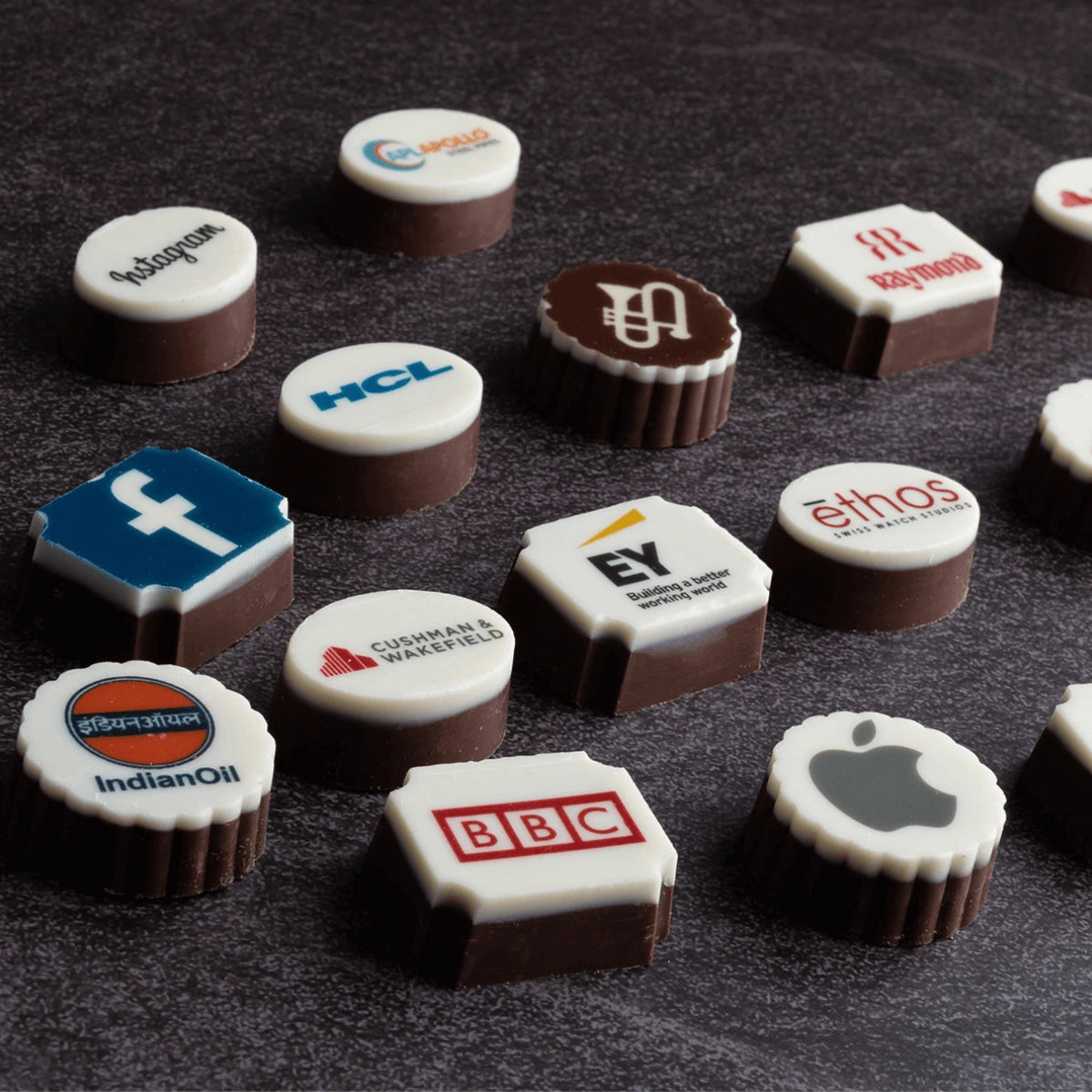
Personalized Corporate Giveaway Chocolates
Custom-branded chocolate giveaway gifts designed to boost visibility at exhibitions and corporate events.
Customize for Your BrandCrowd Psychology: Why Calm Booths Win During Peak Hours
Crowds create urgency, but they also create anxiety.
Research discussed in Harvard Business Review and MIT Sloan Management Review shows that people in dense environments subconsciously seek structure, direction, and reassurance.
At trade shows, this translates into clear staff roles, predictable flow, and visible engagement cues.
Booths that feel busy but organized consistently outperform booths that feel chaotic. A deeper breakdown is available in crowd psychology at trade shows explained.
Advanced Tactics: Using Gifting to Improve Flow
Most exhibitors treat giveaways as attention grabbers. Experienced exhibitors use them as flow tools.
During peak hours, gifting should signal brand quality, pace conversations, reinforce memorability, and support lead qualification.
Premium personalized giveaways slow interactions and elevate perceived value. Limited-quantity, custom-printed, keepsake-style packaging encourages intentional engagement.
Higher-tier gifting is often reserved for qualified conversations using options such as nine chocolate box corporate gifts, twelve chocolate box corporate gifts, and eighteen chocolate box corporate gifts.
Peak-Hour Risk Management
Even with planning, peak hours can introduce staff fatigue, technical issues, overcrowding, and miscommunication.
Prepared exhibitors mitigate these risks with staff rotation schedules, clear escalation roles, backup lead capture methods, and calm crisis response.
Operational readiness is further detailed in trade show day checklist for booth teams, crisis management at trade shows, and trade show etiquette for exhibitors.
Future Outlook: Where Booth Traffic Management Is Heading
Trade shows are becoming more experience-driven and less transactional.
As highlighted in insights from Forbes and McKinsey Quarterly, brands that prioritize experience over volume report stronger ROI and brand recall.
Peak-hour success increasingly depends on how calm the booth feels, how intentional engagement is, and how memorable the brand experience becomes.

Call to Action - Chocolate Box
📦 Box: Logo + bold CTA — “Become Our Distributor” / “Partner With Us”
📝 Message Inside: Contact details + QR code to sales deck or lead form
🍫 Chocolates: One with “Let’s Partner”, one with logo
🎯 Purpose: Turns a premium gift into a partnership trigger—driving real business inquiries, not just brand recall.
Make it for your BrandConclusion
Peak hours don’t have to be overwhelming. When managed correctly, they become the most valuable conversion window.
Successful exhibitors design flow before the show, assign clear staff roles, use gifting strategically, understand crowd psychology, and focus on experience rather than exposure.
If you’re planning your next exhibition and want giveaways that support flow, elevate experience, and reinforce brand value, explore corporate gifting solutions for trade shows.
Key Information
| Aspect | What It Means at Trade Shows | Why It Matters for ROI |
|---|---|---|
| Peak Hour Booth Flow | Designed movement, not random clustering | Reduces walkaways and missed leads |
| Role-Based Staffing | Different staff handle different visitor intents | Protects senior sales time |
| First 10 Seconds | Clear, directional openers | Improves qualification speed |
| Tiered Engagement | Different depth for browsers vs buyers | Higher lead quality |
| Giveaways Strategy | Premium, intentional gifting | Filters serious prospects |
| Crowd Psychology | Structure reduces anxiety | Improves brand trust |
| Staff Energy Management | Rotations and breaks | Sustains performance |
| Experience Design | Calm, controlled environment | Stronger brand recall |
FAQs: How to Manage Booth Traffic During Peak Hours
1. How do you manage booth traffic during peak hours at trade shows?
Managing booth traffic during peak hours requires planning flow, assigning clear staff roles, and structuring conversations. Instead of engaging everyone equally, exhibitors should guide visitors based on intent. This prevents congestion, protects high-value conversations, and ensures qualified leads don’t walk away due to confusion or waiting.
2. What should exhibitors do when a booth becomes too crowded?
When a booth gets crowded, the goal is not to push people away but to create visible structure. Acknowledge visitors quickly, signal who’s next, and redirect casual browsers politely. Clear flow reduces anxiety and keeps interested prospects engaged instead of drifting to competitors.
3. How many staff members should be at a booth during peak hours?
There’s no fixed number, but peak hours require role-based staffing rather than headcount alone. Greeters, engagers, and closers should be clearly defined. This approach ensures faster qualification, smoother handoffs, and prevents senior sales staff from getting stuck in low-intent conversations.
4. How can you avoid missing good leads when the booth is busy?
Exhibitors miss leads when conversations lack structure. Using short qualifying questions, time-boxed interactions, and scheduling follow-ups on the spot helps capture high-intent prospects efficiently. Peak hours should prioritize lead quality over conversation length to maximize post-show conversions.
5. Do giveaways increase booth congestion during peak hours?
Yes, if used incorrectly. Random or instant giveaways attract freebie seekers and create crowd bottlenecks. Strategic, premium giveaways given after engagement actually regulate traffic, slow conversations intentionally, and help exhibitors focus on visitors with genuine buying intent.
6. How does booth layout affect crowd control at trade shows?
Booth layout plays a major role in crowd behavior. Open designs, clear entry points, and deeper demo zones encourage movement instead of clustering. A well-planned layout makes a booth feel calm and professional, even during peak traffic surges.
7. What is the role of crowd psychology in booth traffic management?
Crowd psychology explains why people disengage in chaotic environments. Attendees subconsciously look for structure, direction, and reassurance. Booths that feel organized and calm attract more trust and longer engagement, even when foot traffic is high.
8. How can exhibitors politely disengage with “just looking” attendees?
Polite disengagement protects both brand perception and staff energy. Acknowledge interest, offer a light takeaway, and leave the door open for follow-up. This keeps casual browsers satisfied while freeing staff to engage higher-intent visitors during peak hours.
9. How does peak-hour booth management impact trade show ROI?
Peak-hour management directly affects ROI because the highest-intent buyers attend during these windows. Structured flow, focused conversations, and intentional gifting lead to better-qualified leads, stronger brand recall, and higher post-event conversion rates.
10. What is the biggest mistake exhibitors make during peak booth traffic?
The biggest mistake is treating peak hours like normal hours. Without role clarity, engagement structure, and flow planning, booths become chaotic. This causes missed leads, exhausted teams, and poor follow-up results—despite high footfall.
