

How to Plan a Successful Trade Show Booth in the USA: A Practical, ROI-Driven Playbook for Exhibitors

How to Plan a Successful Trade Show Booth in the USA: A Practical, ROI-Driven Playbook for Exhibitors
Explore Giveaway GiftsKey Takeaways
-
Successful trade show booths are planned backward from outcomes, not built forward from design.
Clear goals—lead generation, brand awareness, or partnerships—should drive booth layout, messaging, staffing, and giveaways. -
Human interaction and experience design matter more than booth size or spend.
Well-trained teams and clear engagement flow consistently outperform larger, more expensive booths. -
Giveaways work best when they reinforce memory, not just footfall.
Fewer, higher-quality, and thoughtfully timed giveaways deliver stronger brand recall and better post-event follow-up results. -
Pre-show planning and post-show follow-up determine ROI more than on-floor activity alone.
Promotion before the event and structured follow-up after the event turn booth conversations into real business outcomes.
Planning a successful trade show booth in the USA is no longer about simply showing up with banners and brochures. In today’s highly competitive exhibition environment, success depends on strategic planning, intentional design, trained teams, and meaningful engagement.
From major convention centers in Las Vegas and Chicago to niche industry expos across the country, exhibitors are investing heavily in booth space, logistics, and staffing. Yet many still walk away questioning ROI. The difference between a booth that attracts attention and one that delivers business results almost always comes down to planning.
This guide is designed for marketers, founders, and event managers responsible for corporate giveaway gifts and booth strategy at exhibitions, expos, and trade shows. We’ll explore what actually works in the US trade show ecosystem, how to avoid common pitfalls, and how thoughtful details—like premium, customized giveaways—can elevate your booth from forgettable to memorable.
If giveaways are part of your booth strategy, planning them early alongside layout and visitor flow makes a measurable difference. That’s why many exhibitors now align booth planning with curated solutions like giveaway gifts for expo, exhibition, and trade shows rather than treating gifting as an afterthought.
For B2B audiences, premium giveaway gifts signal credibility and help position your brand as high-value and trustworthy. Read more →
Understanding the US Trade Show Landscape
The United States hosts some of the world’s largest, most influential trade shows across industries such as technology, healthcare, manufacturing, retail, logistics, and finance. These events attract global buyers, senior decision-makers, and industry media—all within a compressed timeframe.
What sets the US trade show landscape apart is not just scale, but structure. Exhibition booth setup in the USA involves unique considerations: drayage fees, union labor regulations, strict venue guidelines, and high logistics costs. A small oversight in planning can cascade into delays, budget overruns, or compromised booth execution.
Equally important is attendee behavior. US trade show visitors are highly time-conscious. They move fast, scan booths quickly, and make snap judgments about relevance. Research and on-floor observation consistently show that exhibitors have only a few seconds to communicate value before attendees move on.
This reality has reshaped modern trade show booth strategy in three important ways:
- Booths must communicate value within the first 5–7 seconds
- Engagement must be active and human, not passive
- Giveaways must feel intentional and aligned with brand positioning
Not every trade show delivers the same value. Choosing the right event is a foundational decision that impacts booth planning, messaging, and gifting strategy. This related guide explores that decision in detail: how to choose the right trade show for your industry.
Corporate Giveaway Gifts for Expo, Exhibition & Trade Shows
Attract attention and drive brand recall with premium corporate giveaway gifts featuring personalized chocolate branding for expos and trade shows.
Explore Giveaway Gifts NowThe Core Problem and Opportunity: Why Most Trade Show Booths Underperform
Despite significant investments, many companies leave US trade shows disappointed. Booth traffic may look strong on the surface, but results tell a different story weeks later.
Common challenges include:
- Booths that look visually impressive but attract the wrong audience
- Staff members present but unsure how to start or steer conversations
- Giveaways distributed widely but forgotten quickly
- Leads collected without clear qualification or follow-up intent
The root cause is rarely lack of effort. More often, it’s lack of alignment. Booth design, staffing, messaging, and giveaways are planned in isolation instead of as parts of one cohesive system.
The opportunity lies in shifting mindset—from simply “having a presence” to building a purposeful trade show booth that supports specific business outcomes. When planning starts with clarity, every element works harder and delivers greater return.
The Strategic Pillars of a Successful Trade Show Booth Strategy
1. Goal-First Planning, Not Design-First Thinking
One of the most common mistakes in trade show booth planning in the USA is starting with design. While aesthetics matter, they should always follow strategy.
Before selecting booth size, graphics, or displays, define one primary objective. Is the goal lead generation, brand awareness, product education, or partner meetings? Trying to accomplish everything at once often results in diluted messaging and confused visitors.
This distinction between objectives is explored further in trade show goals: brand awareness vs lead generation.
2. Booth Layout That Supports Natural Visitor Flow
In US exhibitions, booth layout plays a critical role in engagement. Attendees are far more likely to stop at booths that feel open and accessible.
High-performing booths typically:
- Avoid tall counters at the front that create physical barriers
- Use open corners or island layouts where possible
- Place engagement triggers near aisles
Think of your booth like a storefront window. It should invite curiosity without demanding commitment.
3. Messaging That Passes the Five-Second Test
If a visitor can’t understand what you do and who it’s for within a few seconds, you’ve lost the opportunity.
Strong trade show messaging focuses on outcomes rather than internal jargon. Clear headlines, benefit-driven language, and simple visuals consistently outperform information-heavy displays.
4. Human Engagement Always Outperforms Passive Displays
Screens, demos, and visuals can support engagement, but people drive conversion. Booth staff must be proactive, confident, and aligned.
Successful exhibitors prepare their teams with conversation starters, qualification criteria, and clear roles. This preparation is explored in detail in how to prepare your team for a trade show.
5. Giveaways That Reinforce Memory, Not Just Footfall
Generic swag attracts volume but rarely delivers recall. Many US exhibitors are now shifting toward fewer, higher-quality giveaways that reflect brand positioning.
Premium, customized consumables—such as branded chocolate gift boxes—engage multiple senses and feel personal without being intrusive. Solutions available through corporate gifting collections are often used selectively for meaningful follow-up rather than mass distribution.
This strategic approach to gifting ensures giveaways support conversations rather than replace them.
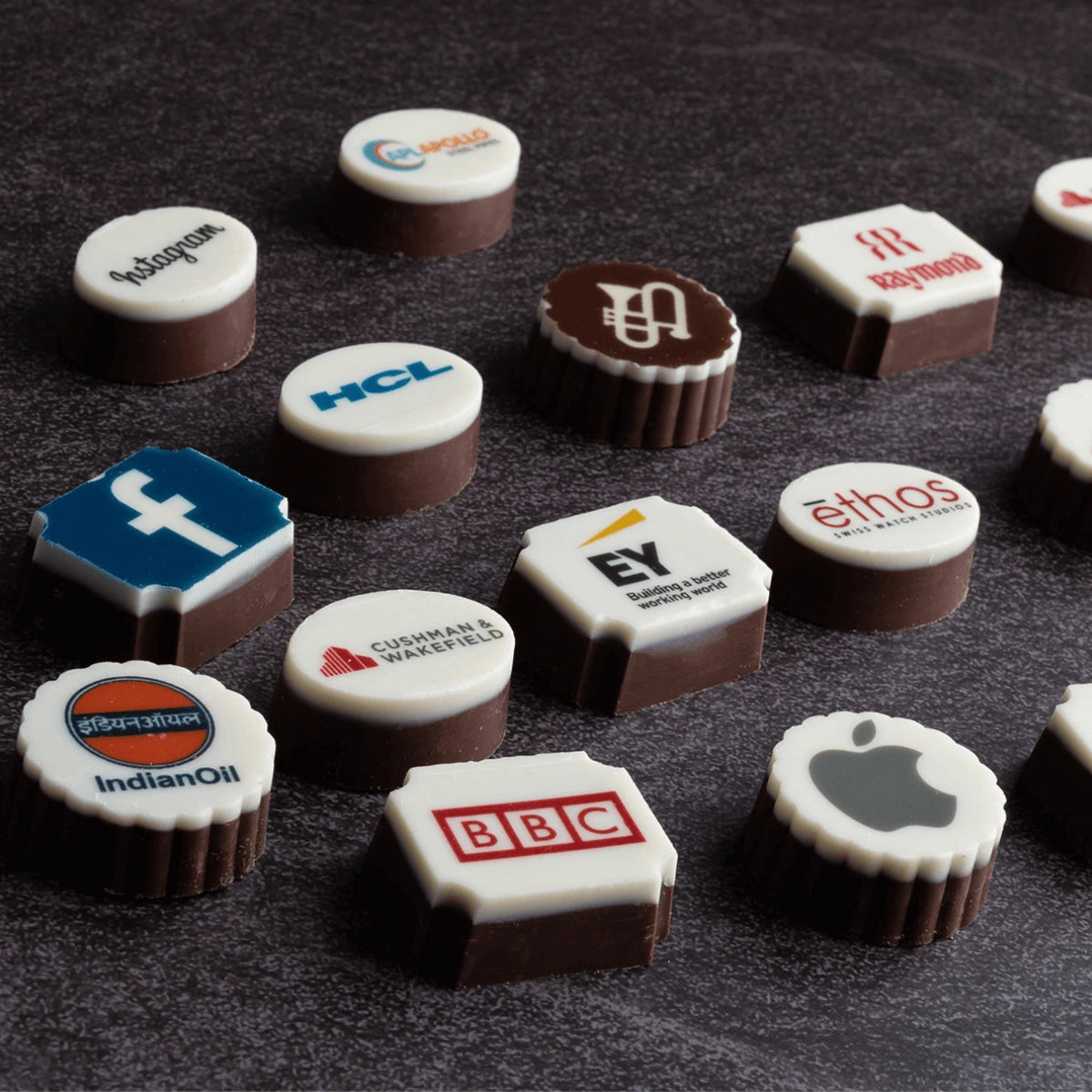
Personalized Corporate Giveaway Chocolates
Custom-branded chocolate giveaway gifts designed to boost visibility at exhibitions and corporate events.
Customize for Your Brand
Data, Research, and Real-World Insights: What Actually Drives Trade Show Success
By the time exhibitors arrive on the trade show floor in the USA, most high-impact decisions have already been made. Booth size, layout, staffing, logistics, shipping timelines, and promotional assets are typically locked weeks or months in advance. This is why understanding what actually drives trade show success before execution is critical.
Independent industry research and post-event analysis consistently point to three primary drivers of performance at US trade shows: pre-show planning, booth staff behavior, and post-interaction memorability. These factors consistently outperform booth size, location, or spend when it comes to lead quality and long-term ROI.
Budget-friendly giveaway gifts can still feel premium when chosen strategically—focus on usefulness over quantity. Read more →
Pre-Show Planning Directly Impacts Lead Quality
Insights summarized by the Center for Exhibition Industry Research indicate that exhibitors who actively promote their presence before the show generate more qualified conversations than those relying solely on walk-up traffic. Pre-booked meetings, targeted email outreach, and personalized invitations filter attendees before they even reach the show floor.
From an experiential marketing perspective, this aligns with findings shared in why experiential marketing drives business results, which emphasizes that intentional, experience-led interactions outperform passive brand exposure.
Early planning also enables better alignment between booth messaging, staff preparation, and giveaways. This foundation significantly increases the likelihood that booth interactions turn into meaningful sales conversations.
A structured approach to preparation is especially important for new exhibitors, as outlined in trade show checklist for first-time exhibitors.
Booth Staff Behavior Matters More Than Booth Size
Multiple studies referenced by Harvard Business Review consistently show that human interaction—not booth scale or spend—is the strongest factor influencing post-event outcomes. Attendees are more likely to remember how a brand made them feel than how large the booth was.
This reinforces why staff training, conversation flow, and role clarity must be treated as core components of trade show booth planning in the USA. Booth staff who can confidently open conversations, qualify interest, and guide next steps create measurable differences in conversion rates.
Well-prepared teams also help avoid one of the most common on-floor problems: staff waiting passively for visitors instead of actively engaging them.
Memorable Takeaways Improve Brand Recall
Industry data from promotional marketing associations shows that attendees are significantly more likely to remember brands that provide useful or consumable takeaways. Items that are personalized, premium, or experiential outperform generic swag by a wide margin.
This insight has driven a shift among US exhibitors away from mass-distributed merchandise toward selective, intentional gifting. The goal is no longer maximum distribution, but maximum recall.
When giveaways align with brand positioning and are introduced at the right moment in the conversation, they reinforce memory long after the show ends.

Call to Action - Chocolate Box
📦 Box: Logo + bold CTA — “Become Our Distributor” / “Partner With Us”
📝 Message Inside: Contact details + QR code to sales deck or lead form
🍫 Chocolates: One with “Let’s Partner”, one with logo
🎯 Purpose: Turns a premium gift into a partnership trigger—driving real business inquiries, not just brand recall.
Make it for your BrandPractical How-To: Step-by-Step Trade Show Booth Planning in the USA
Step 1: Define Success Before You Define Space
Effective trade show booth planning starts with clarity. Before committing to booth size, layout, or design, define what success looks like.
Is the primary goal qualified lead generation, brand awareness, partner meetings, or product education? Each objective demands a different booth strategy.
This KPI-first mindset is explored further in trade show KPIs every exhibitor should track, which helps align booth activity with measurable outcomes.
Step 2: Build a Realistic Budget and Protect ROI
Trade show budgets in the USA can escalate quickly. Booth space, shipping, drayage, labor, and travel costs often consume the majority of spend, leaving little room for engagement.
A more effective approach is to allocate budget intentionally—ensuring sufficient investment in visitor experience, staff training, and follow-up assets.
This breakdown explains where companies actually spend and where ROI is often lost: trade show budget breakdown where companies actually spend.
Step 3: Design for Interaction, Not Decoration
Your exhibition booth setup should guide behavior, not just display branding. Every element should answer one question: what should the visitor do next?
High-performing booths prioritize open layouts, short standing conversations, and clear calls to action. Over-designed booths with dense messaging often slow engagement and reduce interaction.
Step 4: Plan Giveaways as Part of the Funnel
Giveaways work best when they are integrated into the lead funnel rather than handed out indiscriminately.
Premium options such as 4 chocolate corporate gift boxes and 6 chocolate corporate gift boxes are often reserved for qualified prospects or scheduled follow-ups.
This selective approach reinforces brand quality while controlling costs.
Step 5: Prepare the Team for Consistent Messaging
Even the strongest booth strategy can fail if the team is not aligned. Everyone staffing the booth should understand the ideal visitor profile, conversation flow, and qualification criteria.
Common execution errors are detailed in common trade show planning mistakes companies make.
Step 6: Plan Follow-Up Before the Show Starts
One of the most overlooked trade show success tips is planning follow-up before the event begins.
Lead categorization, ownership, and timing should be decided in advance. Many exhibitors lose momentum by delaying follow-up or treating all leads the same.
This issue is explored further in trade show success metrics most companies ignore.
Trends and Expert Insights: Where US Trade Show Booth Strategy Is Headed
Trade show booths in the USA are evolving toward experience-driven engagement. Brands are focusing less on volume and more on quality interactions.
MIT Sloan Management Review explores this shift toward experience design in the power of experience design.
Other emerging trends include smarter gifting strategies, better measurement of pipeline influence, and closer alignment between sales and marketing teams.

Mini Coupon Box as Giveaway
📦 Box: Logo + “Here’s a Deal”
📝 Message Inside: Coupon code — “Use this for 20% off today only”
🍫 Chocolates: One with “20% OFF”, one with “Special Offer” or logo
🎯 Purpose: Converts booth visitors into instant buyers by creating urgency and measurable online sales.
Make it for your BrandConclusion: Turning Booth Presence into Business Impact
Successful trade show booth planning in the USA is the result of clarity, preparation, and intentional execution.
When goals are defined early, teams are trained effectively, and giveaways are used strategically, trade shows shift from being expensive obligations to reliable growth channels.
Thoughtful touches—such as premium gifting through 12 chocolate corporate gift boxes or 18 chocolate corporate gift boxes—reinforce brand recall without overpowering the booth experience.
When booth planning is aligned with outcomes, trade shows stop being expenses and start becoming long-term business investments.
Choose giveaway gifts that naturally attract attention at exhibitions—items that spark curiosity help drive higher booth footfall. Read more →
Key Information
| Planning Area | What Most Exhibitors Do | What High-Performing Booths Do |
|---|---|---|
| Booth Strategy | Focus on design and visibility | Start with clear goals and success metrics |
| Booth Layout | Use closed or barrier-heavy layouts | Design open, inviting spaces that support conversation |
| Messaging | List features and company background | Communicate outcomes and visitor relevance in seconds |
| Team Preparation | Assume staff will “figure it out” | Train teams on engagement, qualification, and roles |
| Giveaways | Distribute generic swag widely | Use selective, premium, memory-driven gifting |
| Budget Allocation | Overspend on space and build | Balance infrastructure with engagement and follow-up |
| Follow-Up Planning | Decide after the show | Plan lead ownership and timing before the show |
FAQs
1. How far in advance should I start planning a trade show booth in the USA?
Ideally, trade show booth planning should begin 4 to 6 months in advance. This timeline gives enough room to choose the right show, finalize booth space, plan logistics, design engagement strategies, train your team, and coordinate giveaways without last-minute compromises.
2. What makes a trade show booth successful in the USA?
A successful trade show booth combines clear goals, strong messaging, an open and inviting layout, trained booth staff, and meaningful visitor engagement. In the USA, booths that focus on experience and conversation quality tend to outperform booths that rely only on size or visual appeal.
3. Is booth size more important than booth strategy?
No, booth strategy is far more important than booth size. Smaller booths with clear messaging, proactive staff, and focused engagement often generate better leads than larger booths that lack a clear objective or visitor flow strategy.
4. How do I attract the right audience to my trade show booth?
Attracting the right audience starts with choosing the right trade show and promoting your presence before the event. Clear messaging, open layouts, and confident booth staff help visitors quickly understand relevance and self-qualify before engaging.
5. What are the most common mistakes companies make at US trade shows?
Common mistakes include unclear goals, poorly trained staff, cluttered booth designs, generic giveaways, and delayed follow-up. Many companies focus heavily on booth setup while underestimating the importance of engagement strategy and post-event execution.
6. Do giveaways really help with trade show success?
Yes, giveaways help when they are used strategically. Thoughtful, premium giveaways tied to meaningful conversations improve brand recall and follow-up response rates. Generic swag handed out without engagement often attracts foot traffic but delivers little long-term value.
7. How should booth staff be trained for trade shows?
Booth staff should be trained on conversation openers, ideal visitor profiles, qualification questions, and next steps. Assigning clear roles—such as greeters, qualifiers, and closers—ensures consistent messaging and smoother visitor experiences throughout the event.
8. How do I measure ROI from a trade show booth?
Trade show ROI should be measured using qualified leads, pipeline influence, conversion rates, and long-term brand recall—not just badge scans. Defining KPIs before the show allows more accurate tracking and realistic performance evaluation.
9. What type of booth layout works best at US trade shows?
Open and accessible booth layouts work best at US trade shows. Booths without physical barriers, with visible engagement areas and clear entry points, encourage conversations and reduce hesitation among time-conscious attendees.
10. How important is post-trade show follow-up?
Post-trade show follow-up is extremely important. Many exhibitors lose value by delaying outreach or treating all leads the same. Timely, personalized follow-up planned before the event turns booth conversations into real sales opportunities.
